Powerful Meaning Behind Ricardo Soltero’s Day of the Dead Catrinas
Experiencing art like Ricardo Soltero’s reminds us that Día de los Muertos is more than a holiday; it’s a bridge that connects us to our culture, no matter where we live. Seeing his Day of the Dead Catrinas in real life allowed me to fully experience their grandness and understand their symbolism.

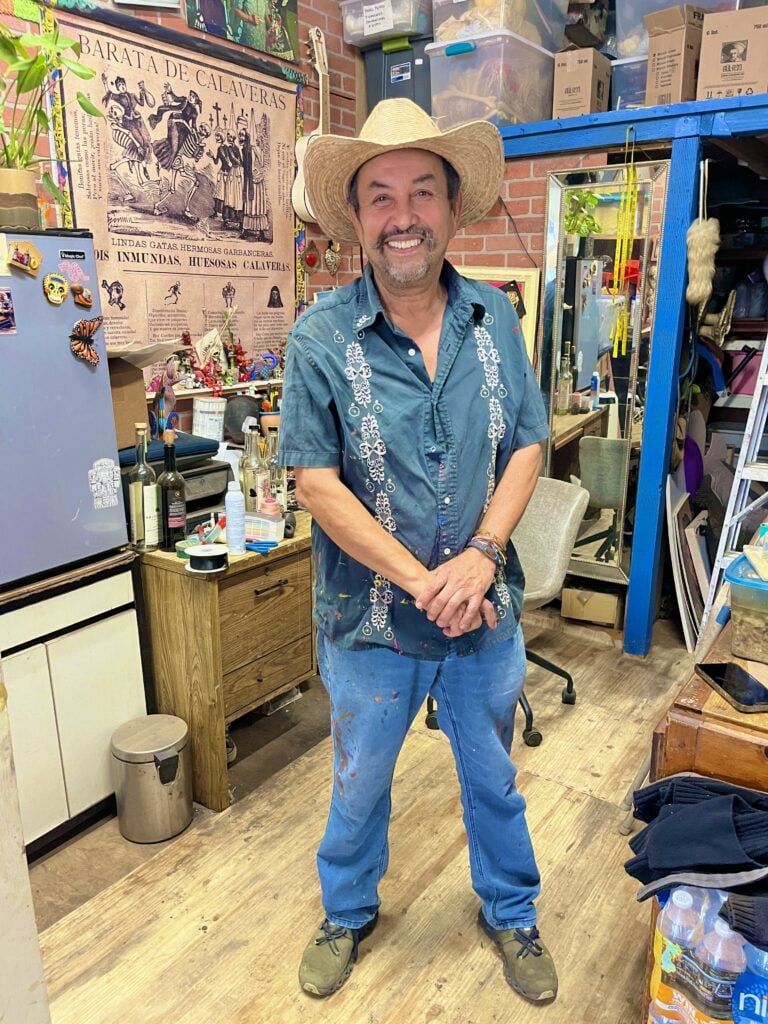
Master artist Ricardo Soltero, known for his breathtaking papier-mâché masterpieces at the Hollywood Forever Cemetery Day of the Dead celebrations brilliantly bridges our roots with life north of the border. One year we were able to view his larger-than-life Catrinas here in Colorado, at the Denver Botanic Gardens.
⭐️ FUN FACT: Figures—from La Catrina Garbancera to tributes honoring Frida Kahlo and María Félix—turn public spaces into vibrant celebrations of culture, memory, and history.
RICARDO SOLTERO’S CATRINAS
Here’s a glimpse of Ricardo’s fascinating Catrinas and the meaning behind each one.
LA CATRINA GARBANCERA
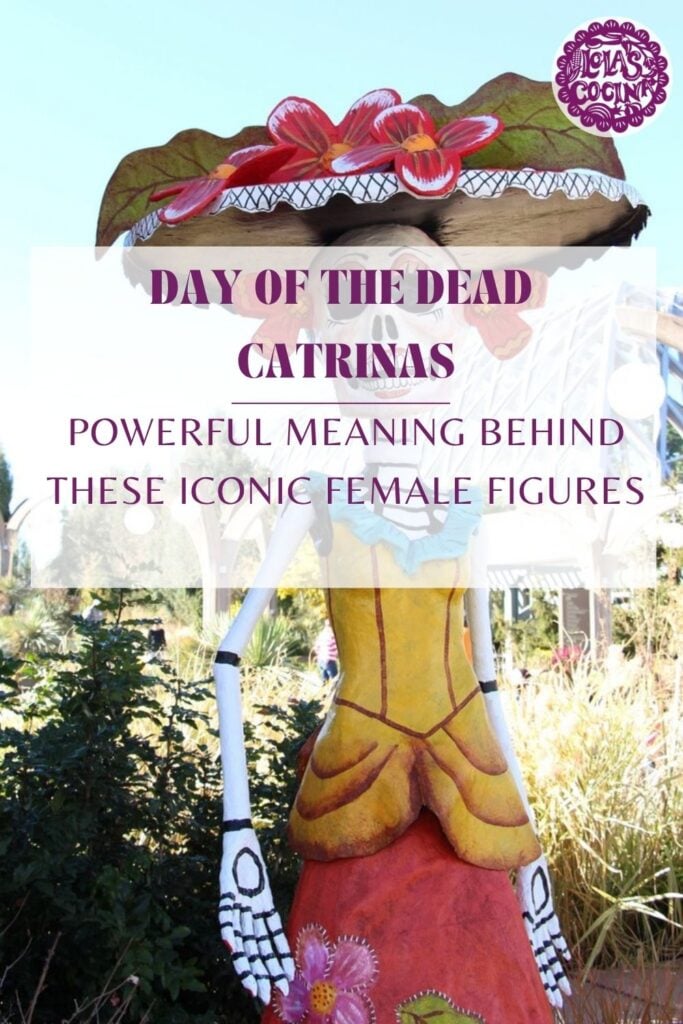
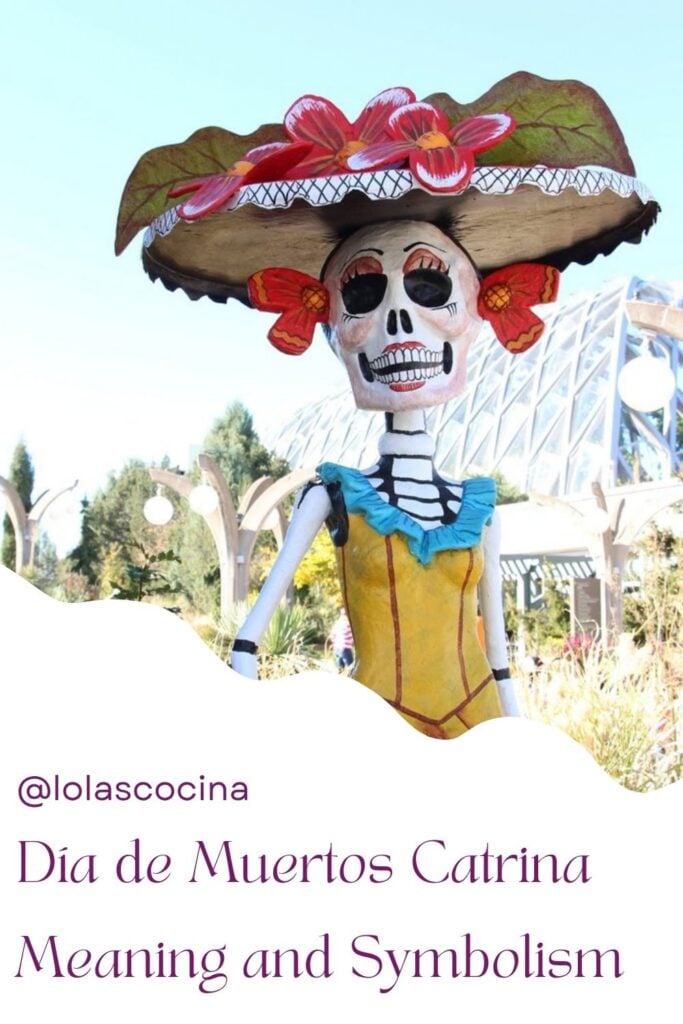
Upon entering the Denver Botanic Gardens, José Guadalupe Posada’s La Catrina Garbancera greeted guests in her absurdly fancy hat—a satirical jab at Mexicans who abandoned their indigenous roots to imitate European high society (ahem – Porfirio Díaz).

LA CATRINA VESTIDA DE MARIPOSA
With her Pre-Columbian butterfly design, La Catrina Vestida de Mariposa honors ancient beliefs that butterflies carry the souls of our ancestors back home for Día de los Muertos.

LADY MICTLÁN
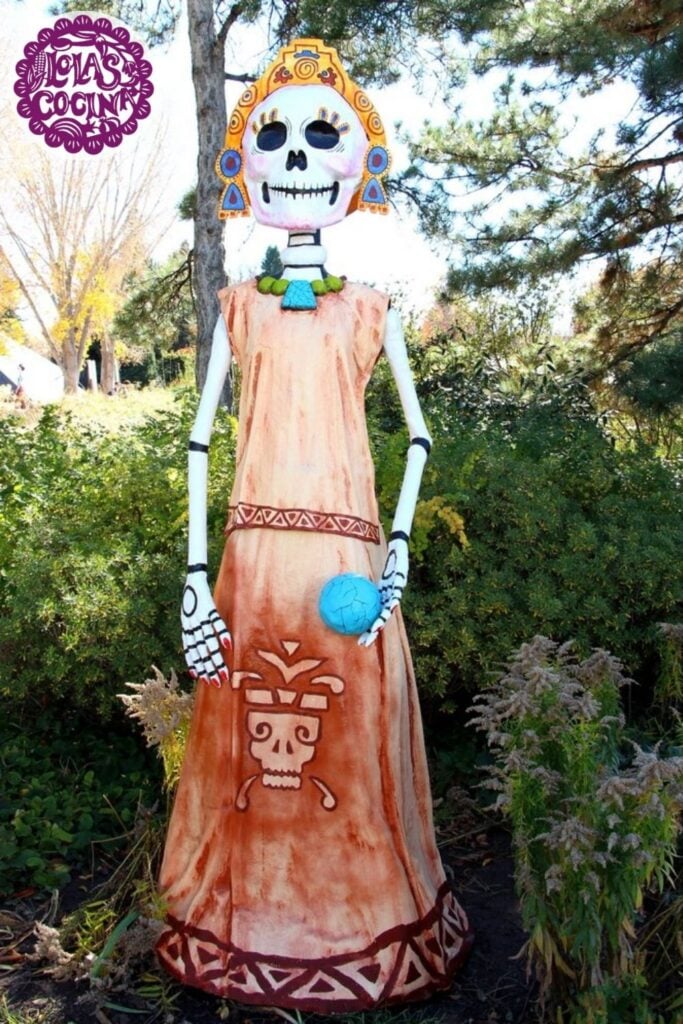
Lady Mictlán represents Mictecacíhuatl, ruler of the Aztec underworld, whose ancient celebrations honoring the dead evolved into today’s Día de Muertos traditions. She presides over the ninth and last level of the Aztec underworld, known as Mictlán.

LA CATRINA DE DIEGO RIVERA
Inspired by Diego Rivera’s iconic Sueño de Una Tarde Dominical en la Alameda Central mural, this elegantly dressed Day of the Dead Catrina honors her legendary status in Mexican art and history.

LA VENDEDORA DE FRUTAS
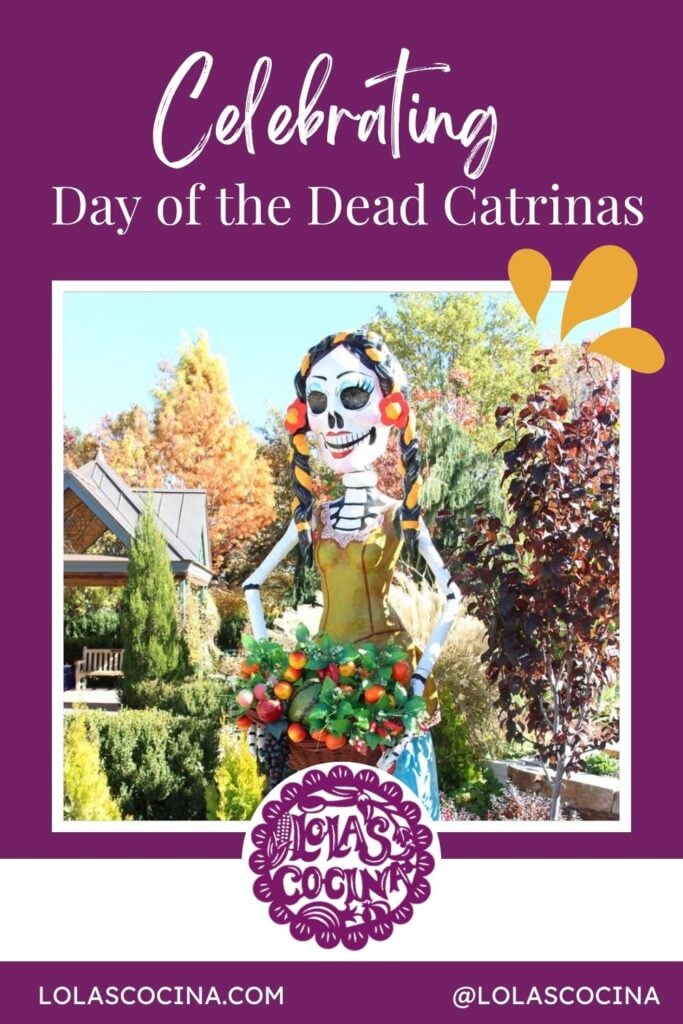
Vendedora de Frutas celebrates the heart of ofrendas—leaving out festive foods to welcome spirits home. Altars throughout Mexico are traditionally decorated with fall fruits like oranges, pomegranates, and calabazas.

LA VENDEDORA DE FLORES
Honoring the iconic cempazúchitl, La Vendedora de Flores highlights the sacred Mexican marigold. With their brilliant color and scent, marigolds are traditionally used to create welcoming pathways that guide returning souls from the doorstep straight to the altar. Their bright colors evoke the sun, “which in Aztec tradition guided the souls of those who had passed on.”

MARÍA FÉLIX
This Catrina honors María Félix, the iconic star of Mexico’s Golden Age of cinema. Her presence remains legendary in Mexican culture.

LA FRIDUCHA
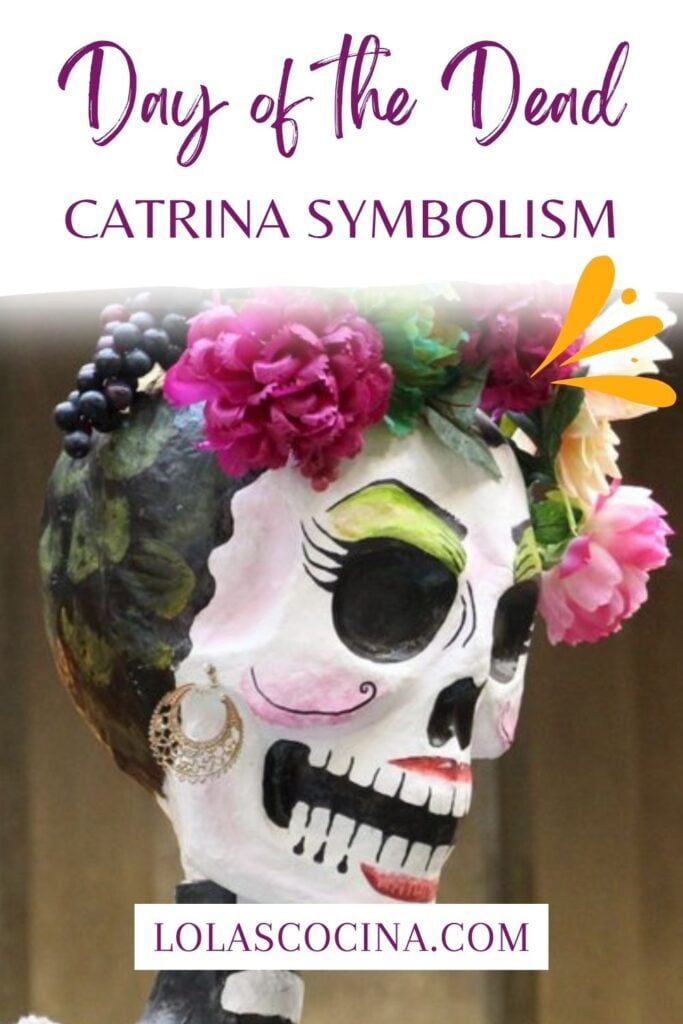
Affectionately known as La Friducha, this sculpture honors artist Frida Kahlo with her iconic unibrow, floral hairpieces, and traditional attire. Kahlo proudly wore regional indigenous garments to celebrate the rich artistry and women of Mexico’s indigenous communities.

ABOUT THE ARTIST: RICARDO SOLTERO
Master Mexican artist Ricardo Soltero is the stage-set designer and creative force behind Los Angeles’s iconic Hollywood Forever Día de los Muertos celebration. Originally from Nayarit, Mexico, Ricardo uses papier-mâché, wood, and fiberglass to craft majestic sculptures that put Mexican heritage at the center of public art.
Over his career, Ricardo has brought his celebrated installations to high-profile venues and cultural institutions nationwide, including the Denver Botanic Gardens, The Autry Museum, 24th Street Theatre, and UNICEF.


LOOKING FOR MORE INSPIRATION?
Here are a few of my recent Day of the Dead write-ups and recipes roundups – enjoy!
- 100+ Best Day of the Dead Food and Drink Recipes
- Celebrate Life with Authentic Dia de Muertos Food!
- BEST Bilingual Day of the Dead Books for Kids
- Symbolic Flowers for Dia de Muertos: Marigolds and More
- BEST Day of the Dead Crafts for Kids and Adults
- Unique Day of the Dead Decorations for Your Home Altar
- Sugar Skulls and Spirits: Decoding the Symbolism of Altar Items
- Papel Picado: Fun Facts, Cultural Significance, and Day of the Dead
- Dia de los Muertos: ‘Tree of Lives’ Celebrates Those Lost
- Day of the Dead: A Celebration of Life!
- How to Preserve Day of the Dead Traditions in the U.S.
- Beautiful Day of the Dead Altar Ideas
- Day of the Dead Altar Items: Powerful Meaning Behind Ofrendas
This post was originally published on November 2, 2017 and updated on October 26, 2026.
Lola’s Cocina earns income through sponsored posts and affiliate links to products I genuinely use and love—at no extra cost to readers—helping support the site.

Lola Wiarco Dweck
Lola is a Mexican-American recipe developer, writer, and cooking instructor who loves sharing her culture with the world. Growing up in California and spending summers in Mexico, Lola celebrates her family’s Mexican recipes and vibrant culture through Lola’s Cocina.



This is so interesting!
I just saw your sculptures at the Tucson Botanical Gardens. They are just beautiful. As we walked through, we read the signs and learned a bit about the history behind the celebration of Dia de los Muertos. Thank you for bringing this to Tucson!
Great to hear that Ricardo’s work was on display in Tucson!
This was a great article on the Catrinas exhibition at the Denver Botanic Gardens. Very interesting with great photos and commentary.
Thank you – if you ever have a chance to attend an event where his catrinas are on display, it’s a must!